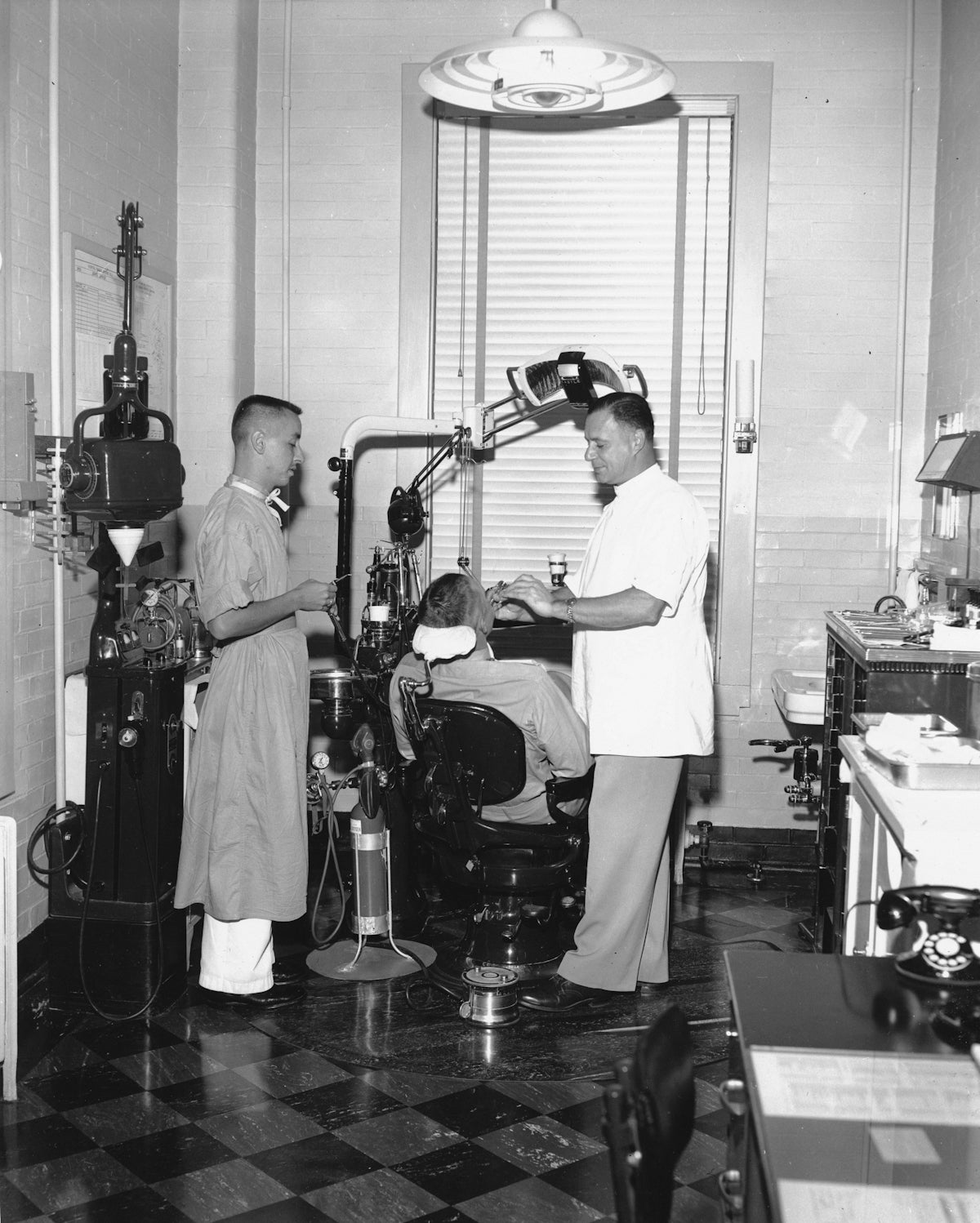
The field of dentistry has undergone tremendous changes over the years, with technological advancements playing a pivotal role in enhancing both the efficiency and standards of care. From the primitive tools of the earliest dentists to the advanced electronic dental chairs and sophisticated X-ray machines we use today, dental equipment technology has significantly evolved. This blog post explores the fascinating history and evolution of dental equipment technology.
The Dawn of Dentistry
The practice of dentistry dates back to ancient civilizations, with some of the earliest records featuring rudimentary tools that were often more focused on pain management than actual treatment. Ancient Egyptians, for instance, utilized a variety of instruments such as forceps and chisels, while ancient Greeks and Romans developed intricate dental tools for extraction and cleaning purposes. Despite the simplicity of these early tools, they laid the groundwork for future innovations.
The Industrial Revolution and Mechanical Advancements
The 19th century marked a turning point in dental technology due to the Industrial Revolution. This era saw the introduction of foot-powered dental drills, which significantly improved the precision of dental procedures. The evolution of these drills over time led to the development of electric-powered versions that offered greater speed and consistent performance. The advent of X-ray technology during this period also revolutionized diagnostics in dentistry, allowing dentists to view teeth and bone structures with remarkable clarity.
Modern Dental Equipment
Today, dental technology continues to evolve with groundbreaking innovations that improve patient care and enhance the dental experience. Advanced chair systems like those featuring the DentalEZ E-2000 Wiring Harness for E-2000 Dental Chair System exemplify how modern dental equipment is engineered for comfort and efficiency. With these chairs, dentists can position patients with ease, facilitating precise treatment processes.
The Rise of Digital Dentistry
Digital dentistry represents a significant shift from traditional methods, incorporating computer-aided design (CAD) and manufacturing (CAM) technologies to fabricate dental restorations with precision. Intraoral scanners and digital impression systems have replaced traditional impression methods, streamlining workflows and improving patient outcomes.
Advanced Diagnostic Tools
In terms of diagnostics, the evolution of X-ray equipment has been crucial. The GE 70KV 90KV X-Ray Timer Module For Intraoral Dental Units showcases the advancement in radiographic technology with its capability to deliver high-resolution images necessary for accurate diagnosis.
Looking Forward
As technology continues to advance, the future of dental equipment looks promising. Innovations such as artificial intelligence and 3D printing hold the potential to redefine dental care. These technologies aspire to enhance predictive diagnostics, personalized treatment plans, and the customization of dental appliances.
The journey from primitive dental tools to today’s sophisticated equipment underscores the limitless potential of technological innovation in healthcare. For more insights into cutting-edge dental equipment, visit ABC Dental Works.
As we look to the future, one thing remains clear: the evolution of dental technology will continue to improve patient outcomes and redefine what is possible in the realm of dental care.